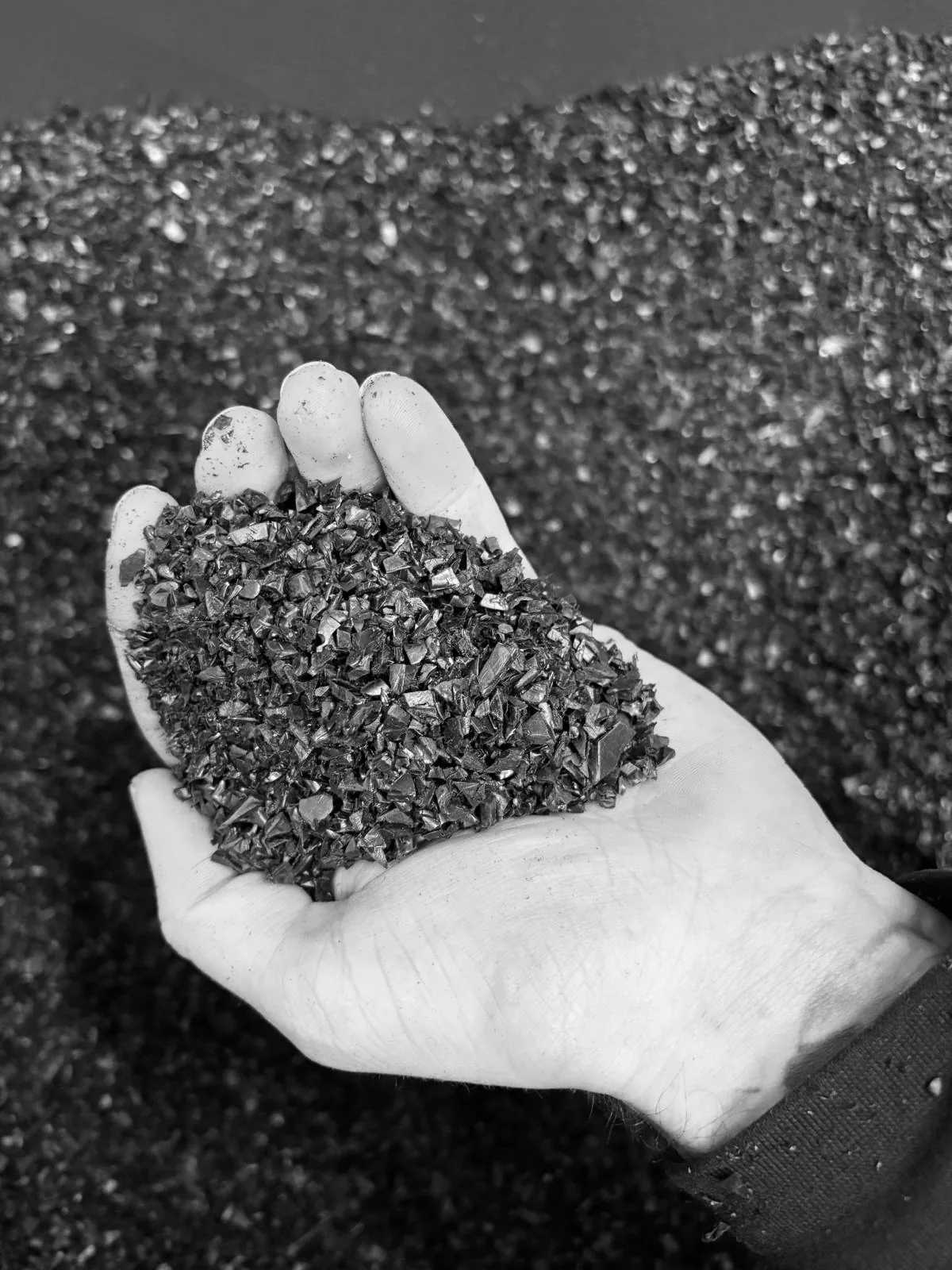
PMMA (acrylic) is a transparent thermoplastic valued for high optical clarity, surface hardness and weather resistance. It is commonly used for lenses, light covers, displays, signage and other parts where appearance and light transmission matter. Gemini moulds and finishes acrylic at its own UK facilities.
Typical properties of acrylic (PMMA) for injection moulding
Property
Typical value
Melt temperature
210 to 250 °C
Mould temperature
40 to 80 °C
Tensile strength
50 to 77 MPa
Mould shrinkage
0.2 to 0.8%
Impact resistance
Low. Brittle and notch sensitive
Chemical resistance
Fair to dilute acids and alkalis, poor to solvents
Heat performance
Grade dependent. Use the specific grade Vicat or HDT figure and its long-term temperature guidance
Optical clarity
Very high. Clear PMMA grades can reach about 92% visible-light transmission, depending on grade and thickness
Surface hardness
High for a thermoplastic, resists scratching well
Drying before moulding
Required. Typically 80 °C for 2 to 4 hours
Two properties explain much of acrylic’s appeal: optical clarity and surface hardness. Clear PMMA grades can reach about 92% visible-light transmission, while its higher surface hardness than uncoated polycarbonate helps it resist light scratching. The main trade-off is lower impact resistance and greater notch sensitivity than PC. Cleaning method and chemical compatibility still need to be considered where optical appearance must be maintained.
Impact-modified grades close some of that gap at the cost of a little clarity. Where a clear part will see repeated impact or abuse, PC is often the stronger candidate despite its lower surface hardness. Our guide to injection moulding materials compares the two directly.
PMMA is also used for protected inspection windows and sight components, where optical clarity is more important than high impact resistance. Parts of that kind appear on equipment across the sectors Gemini works in, including medical devices.
Why it is specified
Why choose acrylic.
02 / Benefits
01
Optical clarity
Clear PMMA grades can provide very high light transmission, which suits lenses, light guides and display components.
02
Scratch resistance
Better surface hardness and scratch resistance than uncoated PC, which helps visible parts retain a clean optical surface.
03
Weather resistance
Good inherent resistance to UV and weathering, which makes suitable grades an option for outdoor lighting, signage and covers.
04
Surface finish
Reproduces a polished cavity well, so high-gloss and optical finishes can come directly from the tool when mould and process are controlled.
Acrylic cracks rather than bends, and it is notch sensitive, so screw bosses, snap fits and press fits are all places a part can fail. Where a component will be dropped, clamped or repeatedly flexed, a tougher polymer is usually the better choice.
Solvents craze it
PMMA can craze or stress-crack in contact with incompatible solvents and cleaning agents. On a part whose whole purpose is clarity, crazing is a failure. Check the actual chemical, its concentration, the temperature and the residual stress in the part before specifying the material.
Modest heat resistance
Acrylic softens well below polycarbonate. Close to a lamp, a motor or anything that runs warm, it will distort, so the service temperature of the assembly needs checking rather than assuming.
Every flaw shows
On an opaque part a weld line or a sink mark is cosmetic. On a clear one it is visible through the whole section. Gate position and wall thickness carry more weight here than on almost any other material.
Typical Applications
What acrylic is used for.
PMMA suits visible and transparent components where optical quality matters and impact loads are limited. Common uses include:
04 / Applications
Lenses & light covers
Lighting diffusers, lenses and light guides, where transmission and a clean moulded surface decide the result.
Display & retail parts
Dispensers, holders and point-of-sale components that need to look good on a shelf and stay looking good.
Windows & sight glasses
Inspection windows and fluid sight glasses on equipment, where a clear view is needed and the part is protected in use.
On the machine
Acrylic injection moulding considerations.
05 / Moulding
The tool finish is the part finish. Acrylic reproduces the cavity surface faithfully, which is the point of using it and also the risk. A polished tool gives an optical surface straight off the press; a tool mark, a scratch or a worn area transfers to every part in the run.
Drying, and then cleanliness. Acrylic absorbs moisture and needs drying to the grade datasheet, or the parts come out with silver streaking. After that the problem becomes contamination: on a clear part a single speck of foreign material or degraded resin is a reject, so purging between materials matters more than usual.
Weld lines and stress are visible. Because you can see into the part, the usual cosmetic defects become functional ones. Slow, even filling, adequate mould temperature and gate positions that push weld lines out of the viewing area all help, as does keeping wall sections even so the part cools without locking in stress.
Why Gemini
Why Gemini for acrylic moulding.
06 / Why Gemini
01
26+ years moulding
More than 26 years moulding thermoplastics for UK manufacturers, acrylic among the clear grades.
02
Tooling under one roof
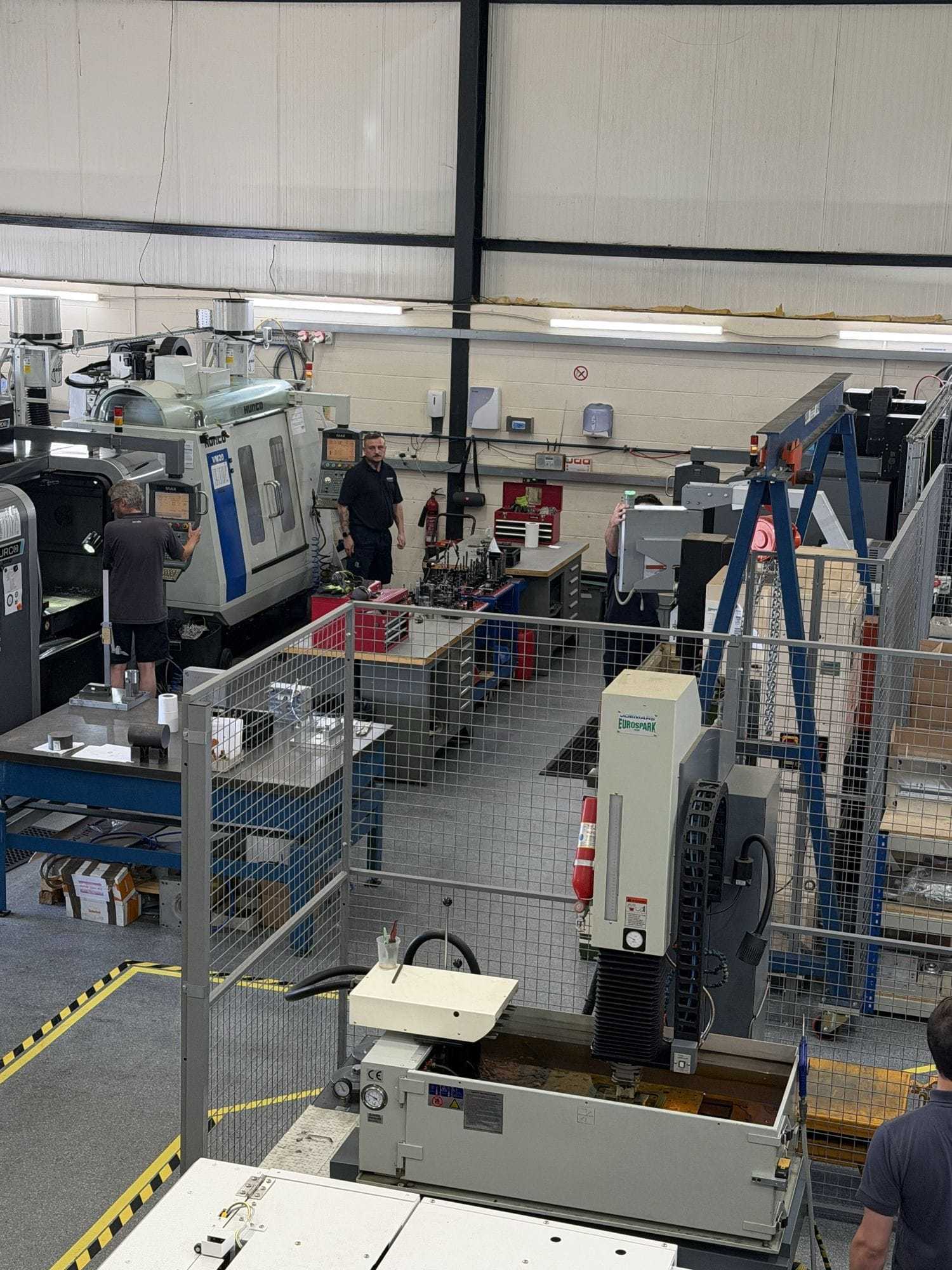
Tools cut and polished in-house, which matters on a clear part where the tool finish becomes the part finish.
03
Finished, not just moulded
Printing, assembly and handling in-house, so clear parts are protected between moulding and dispatch.
04
Checked and accredited
An ISO 9001 quality system, with parts inspected by hand before they are dispatched.
No. Acrylic (PMMA) is clearer, harder and cheaper; polycarbonate is far tougher. Acrylic transmits around 92% of light against roughly 88 to 90% for PC, and resists scratching much better, but it cracks where polycarbonate would flex. Choose acrylic for appearance and surface quality, and polycarbonate where the part will be knocked.
Is acrylic the same as PMMA?
Yes. PMMA stands for polymethyl methacrylate, the polymer commonly called acrylic. PERSPEX and PLEXIGLAS are well-known trade names for PMMA products, though individual grades still have different properties. Datasheets and moulders tend to say PMMA; designers and buyers tend to say acrylic.
Why do moulded acrylic parts crack?
Usually because acrylic is brittle and notch sensitive, so a sharp internal corner, a moulded-in stress or an over-tightened fastener concentrates load at one point. Screw bosses and press fits are common failure sites. Generous radii, clearance holes rather than interference fits, and even wall sections all help.
Can acrylic be used outdoors?
Yes, and it is one of the better choices. Acrylic has good inherent resistance to UV and weathering, and holds its clarity in sunlight far longer than unprotected polycarbonate. That is why it is used for signage and light covers that live outside for years.
Send Gemini a STEP file, a 2D drawing or details of the application. We can review the optical, impact, temperature, weathering and cleaning requirements and advise whether PMMA, PC or another material is the better fit.