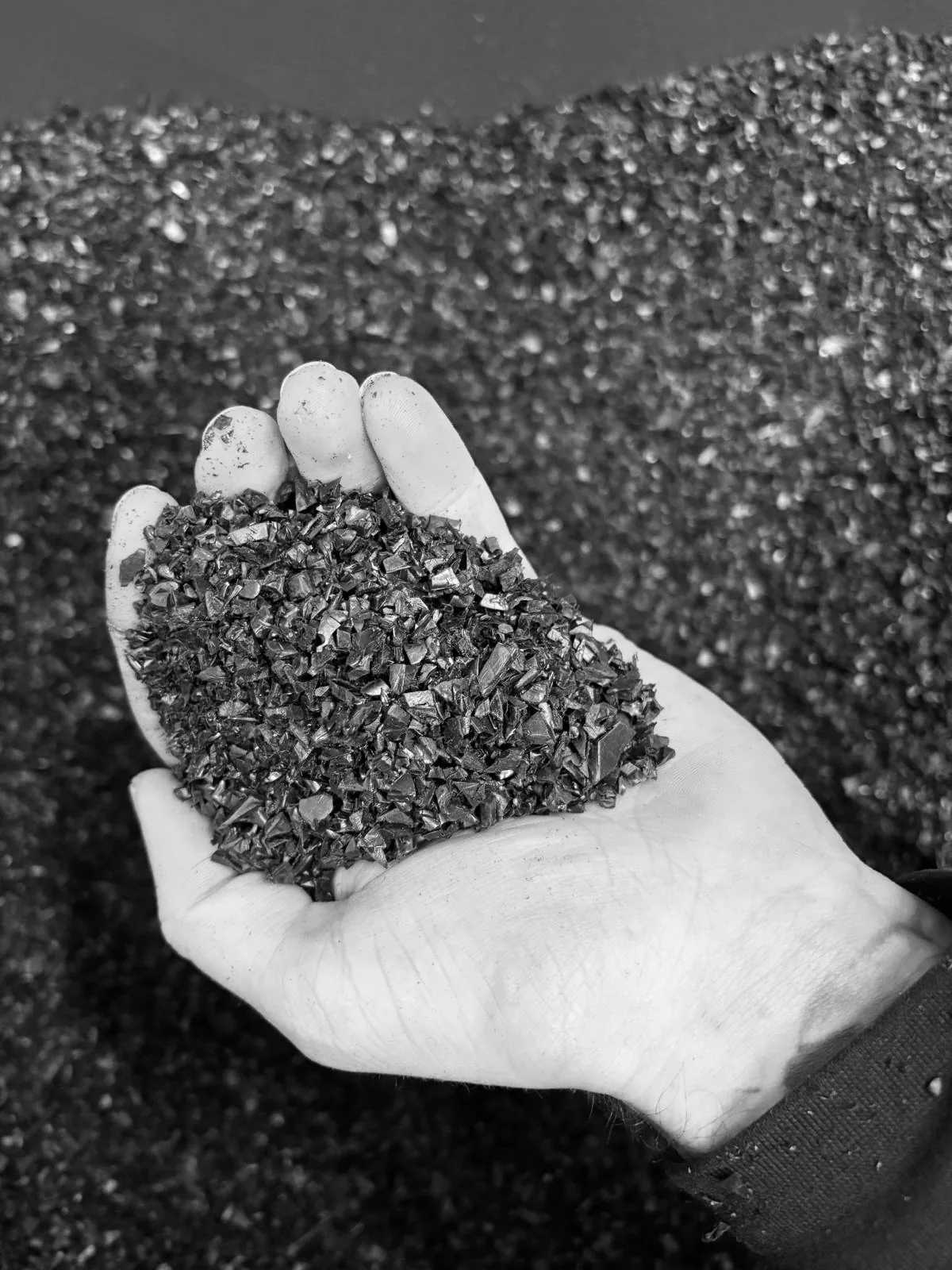
Nylon (PA) is an engineering thermoplastic used for wear-resistant and mechanically loaded mouldings such as gears, bushes, rollers, brackets and housings. Reinforced grades can provide much higher stiffness where a part needs to carry greater load. Gemini moulds nylon at its own UK facilities.
Typical properties of nylon (PA6 and PA66) for injection moulding
Property
Typical value
Melt temperature
PA6 230 to 290 °C, PA66 270 to 300 °C
Mould temperature
60 to 90 °C, higher for maximum crystallinity
Tensile strength (dry)
50 to 85 MPa unfilled
Tensile strength (30% glass filled)
Up to around 180 MPa
Mould shrinkage
0.8 to 2.0% unfilled, lower and directional when filled
Impact resistance
Good, and improves as the part absorbs moisture
Chemical resistance
Good to fuels, oils and greases. Poor to strong acids
Heat performance
Grade dependent. PA66 generally has a higher melting point than PA6, but service temperature must come from the specific unfilled, reinforced or heat-stabilised grade
Moisture absorption
Significant and grade dependent. Representative PA66 data shows about 2.5 to 3.1% equilibrium moisture at 23 °C and 50% RH, with much higher uptake at saturation. PA6 often absorbs more than PA66
Drying before moulding
Required for hygroscopic PA grades. Dry to the resin manufacturer stated moisture target, using the specified time and temperature
Nylon properties can change significantly with reinforcement and moisture content. Glass fibre can increase stiffness and strength, while absorbed moisture can reduce stiffness, increase toughness and affect dimensions. This means dry-as-moulded test data may not reflect how the part will behave after it has conditioned in service.
Grade selection is especially important with nylon, because polymer type, reinforcement and moisture condition can materially change stiffness, strength, shrinkage and dimensions. Glass filled versus unfilled changes the tooling as much as it changes the part.
Useful wear resistance and relatively low friction, which makes suitable grades common in gears, bushes and sliding components. Load, speed and counterface still need checking.
02
Mechanical strength
Unfilled nylon offers useful strength and toughness, and glass-fibre reinforcement can increase stiffness and tensile strength substantially. Metal replacement is application specific.
03
Oil & fuel resistance
Stands up to fuels, oils and greases, which suits it to engine bays and machinery.
04
Heat tolerance
Keeps working at temperatures that soften ABS or acrylic, PA66 more so than PA6.
Moisture absorption is a design consideration, not just a moulding issue. Nylon absorbs water from its environment after moulding, which can reduce stiffness, increase toughness and change dimensions. The amount depends on PA type, grade, part thickness, temperature and humidity. Assess dimensions and mechanical properties in the condition the part will actually see in service, not only dry as moulded.
High shrinkage, and warping
Semi-crystalline polymers shrink more than amorphous ones, and glass filled grades shrink differently along the flow than across it. Flat panels and long thin parts are where that shows up as warp.
Poor acid resistance
Good against oils and fuels, but strong acids attack it, and so do some cleaning chemicals. If the part meets anything aggressive, check compatibility for the specific grade rather than for nylon in general.
Surface finish can be less cosmetic
Glass-filled PA in particular can produce a more textured surface than ABS or PMMA. If a high-gloss or heavily decorated finish is important, the resin grade and the finishing process need considering early.
Typical Applications
What nylon is used for.
Nylon is commonly used for moving, mechanically loaded parts and components exposed to oils or elevated temperatures. Common uses include:
04 / Applications
Gears, bushes & rollers
Moving parts that run without lubrication, where low friction and wear resistance decide service life.
Brackets & mounts
Load-bearing structural parts, often glass filled, replacing machined metal at a fraction of the weight.
Under-bonnet & machinery parts
Housings, clips and covers exposed to oils, fuels and sustained heat, where the chemical and temperature demands exceed general-purpose ABS or PP.
On the machine
Nylon injection moulding considerations.
05 / Moulding
Drying. Nylon absorbs moisture readily, and moulding it wet can cause hydrolytic degradation in the barrel, giving splay, weak weld lines and parts below their datasheet strength. Dry to the resin manufacturer stated moisture target, and keep the material closed between dryer and press.
Shrinkage and the tool. Unfilled PA shrinkage is high for a moulding material, and becomes directional once glass is added, so the tool should be designed around the actual resin shrinkage data rather than a generic figure. Mould temperature influences crystallinity and therefore final dimensions, so tool temperature control matters to repeatability.
Fast crystallisation. PA is semi-crystalline and solidifies relatively quickly once the melt enters the tool. The combination of relatively low melt viscosity and fast crystallisation can help fill thin features, but gate position, venting, mould temperature and flow length still need controlling to avoid short shots, weld lines or distortion.
Why Gemini
Why Gemini for nylon moulding.
06 / Why Gemini
01
26+ years moulding
More than 26 years moulding engineering thermoplastics, including nylon, for UK manufacturers.
02
Tooling under one roof
Tools cut and maintained in-house, so shrinkage can be corrected on site rather than shipped out.
03
Dried before it is moulded
Nylon takes up moisture from the air, so resin is dried to the grade datasheet before a run starts.
04
Checked and accredited
An ISO 9001 quality system, with parts inspected by hand before they are dispatched.
Yes, and it is a design consideration rather than only a moulding one. Nylon absorbs water from its environment after moulding, which can reduce stiffness, increase toughness and change dimensions. Representative PA66 data shows about 2.5 to 3.1% equilibrium moisture at 23 °C and 50% RH, with much higher uptake at saturation. The amount depends on PA type, grade, part thickness, temperature and humidity, so a dimension measured straight from the press is not the dimension it will settle at.
What is the difference between PA6 and PA66?
PA6 and PA66 are related but distinct materials. PA66 generally has a higher melting point and is often chosen where higher-temperature performance is important. PA6 typically processes at a lower melt temperature and is available in a wide range of tough and reinforced grades. Moisture uptake, stiffness and impact performance vary by grade and conditioning, so the decision should use the specific datasheets rather than the polymer name alone.
When should nylon be glass filled?
When the part needs stiffness, strength or dimensional stability that unfilled nylon cannot give. Glass fill raises tensile strength substantially and cuts moisture-driven movement. The cost is that shrinkage becomes directional, so parts are more prone to warping, the surface finish is rougher, and the material is more abrasive on the tool.
Is nylon suitable for gears and bearings?
It is one of the standard choices. Nylon has low friction against steel and against itself, wears well and runs without lubrication, which is why it is used for gears, bushes, rollers and cams. For heavier duty, grades filled with PTFE, molybdenum disulphide or glass are available.
Send Gemini a STEP file, a 2D drawing or details of the application. We can review the load, wear, temperature, chemical and dimensional requirements, including how moisture uptake affects your tolerances, and advise whether an unfilled or reinforced PA grade is the better fit.